
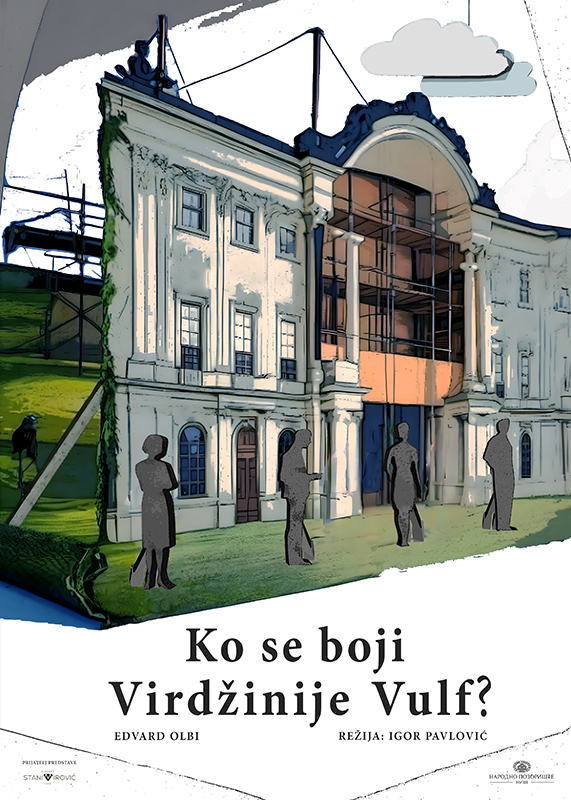
WHO’S AFRAID
OF VIRGINIA WOOLF
drama
Edward Albee
ABOUT THE AUTHOR
Edward Franklin Albee (1928–2016) was one of the greatest playwrights in twentieth-century American literature. He was proclaimed a “writer of his generation” after writing the cult play Who’s Afraid of Virginia Woolf? in 1962, which was adapted into a film in 1966 starring Elizabeth Taylor and Richard Burton. The film won five Academy Awards.
Among his best-known plays are The Zoo Story, A Delicate Balance, and Tiny Alice. His dramatic oeuvre is entirely devoted to the lucid observation of the modern age and the desperate, lost individual within it. Through his works, he introduced the Theatre of the Absurd to American theatre, whose peak in European dramaturgy had already been reached through the works of Jean Genet, Samuel Beckett, and Eugène Ionesco. In doing so, he also gave new momentum and impetus to the Theatre of the Absurd worldwide.
He was awarded the Pulitzer Prize for Drama three times. Interestingly, Who’s Afraid of Virginia Woolf? did not receive the award because of its treatment of sexual themes and its extensive use of profanity.
In an interview with Time magazine, he described his work in the following words:
“All my plays are about people who have lost control of their lives, who have given up when they were young, who come to the end of their lives regretting the things they did not do… I think most people waste too much time living as if they are never going to die.”
In a 2004 interview with The Guardian, he characterized the purpose of theatre as follows:
“All plays, if they are any good, are written to improve humanity. That is the writer’s job, to hold up a mirror.”
The cult play Who’s Afraid of Virginia Woolf?, directed by Mira Trailović in 1964, was first performed on our stages by Belgrade’s Atelje 212. It was also the first theatre to tour the United States with this production and to open Lincoln Center in New York.
DIRECTOR’S BIOGRAPHY
Igor Pavlović, born in 1976 in Novi Sad. He graduated from the Academy of Arts in Novi Sad, Department of Acting in the Serbian language, in the class of Professor Mihailo Janketić. Since 2002, he has been employed at the National Theatre in Subotica, and since 2006, he has been a permanent member of the Drama Ensemble of the Serbian National Theatre, where he has performed around fifty roles.
He is the founder of the ARTERIA theatre company, which has been active on the Novi Sad theatre scene since 2008. He translates dramatic texts from English (High Life, Resistance, The Complete History of the Theatre…). He directs productions in professional theatres and theatre companies (The Complete Works of William Shakespeare, Greens, Baked Potatoes, Stones in His Pockets, Greta Garbo, 89 and others). He has been a permanent collaborator of the City Theatre Bečej, where he has worked with young actors at the Youth Drama Studio since 2009. At the studio, he has directed A Midsummer Night’s Dream, I Don’t Have to Pay and I Won’t Pay, Leonce and Lena, Ubu Roi, Twelfth Night, The Bald Soprano and many others, winning more than 100 awards at festivals in Serbia and the region.
He has collaborated with the Academy of Arts in Osijek on productions from its repertoire. He researches different acting methods, including the Michael Chekhov Technique and the Sanford Meisner Technique. He completed his master’s degree in multimedia directing under Professor Aleksandar Davić at the Academy of Arts in Novi Sad.
He directed The 39 Steps by Patrick Barlow at the Youth Theatre in Novi Sad; Rosencrantz and Guildenstern Are Dead by Tom Stoppard at the Serbian National Theatre (master’s production); The Affair of Innocent Anabela by Velimir Lukić at the National Theatre in Niš; Family Stories by Biljana Srbljanović at the City Theatre Bečej; Two by Jim Cartwright at the City Theatre Bečej; Reunification of the Two Koreas by Joël Pommerat at the Serbian National Theatre; The God of Carnage by Yasmina Reza at the Kraljevo Theatre; and The Complete History of the Theatre (Abridged) by Mina Petrić at the City Theatre Bečej.
He also directed and wrote the screenplay for the animated film A Step, while the animated film Moustaches is currently in preparation.
DIRECTOR’S NOTE
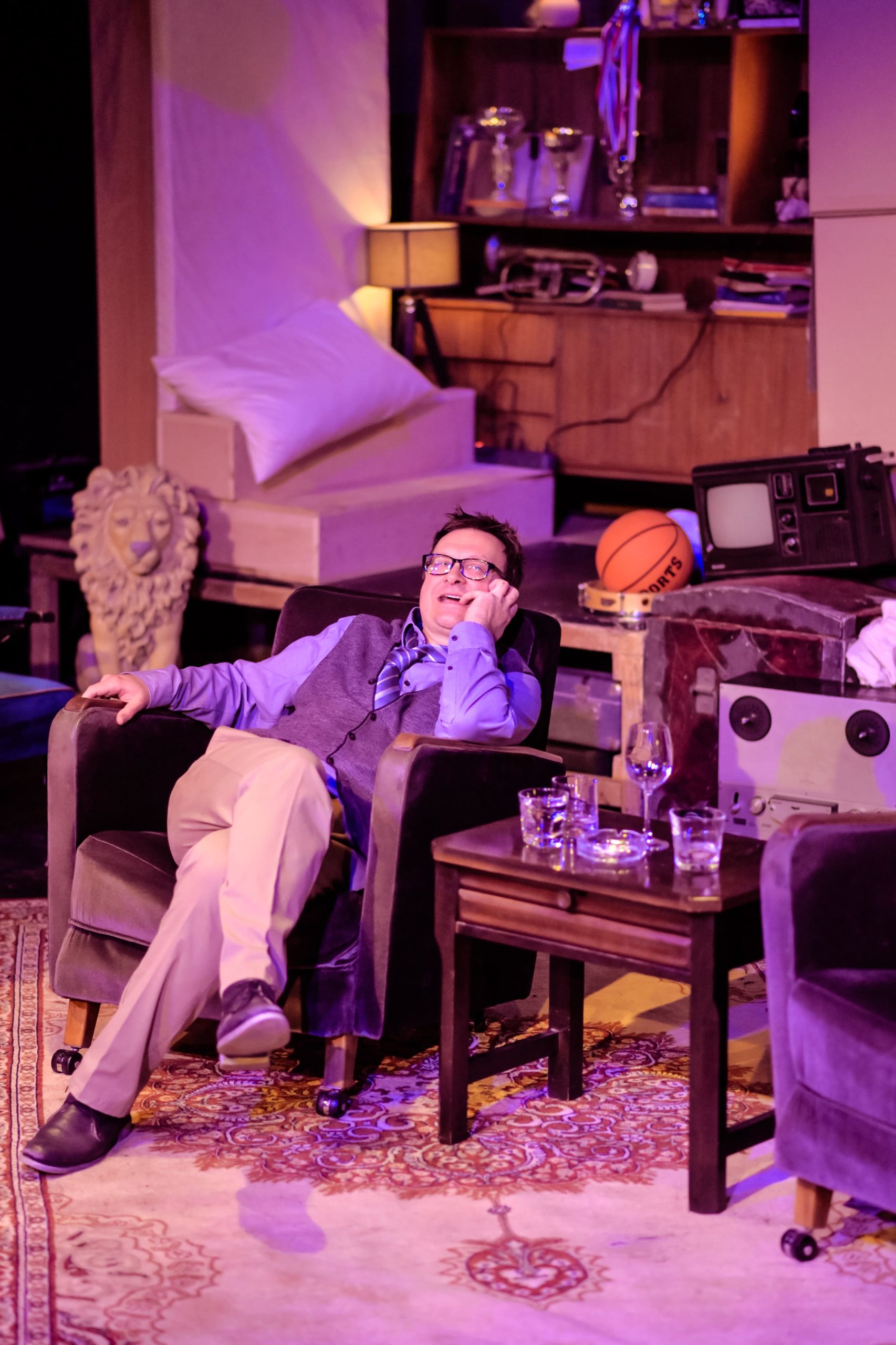
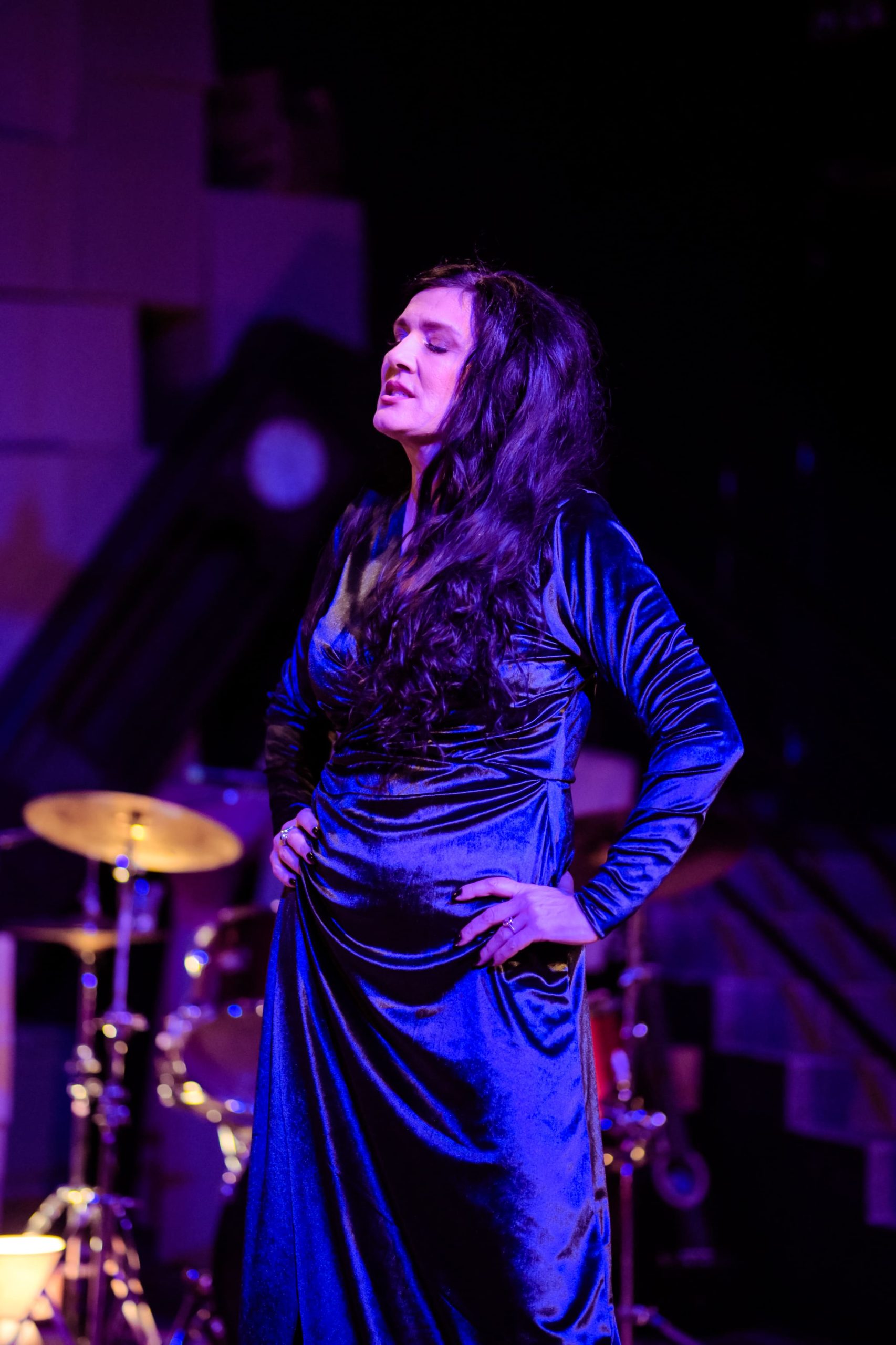
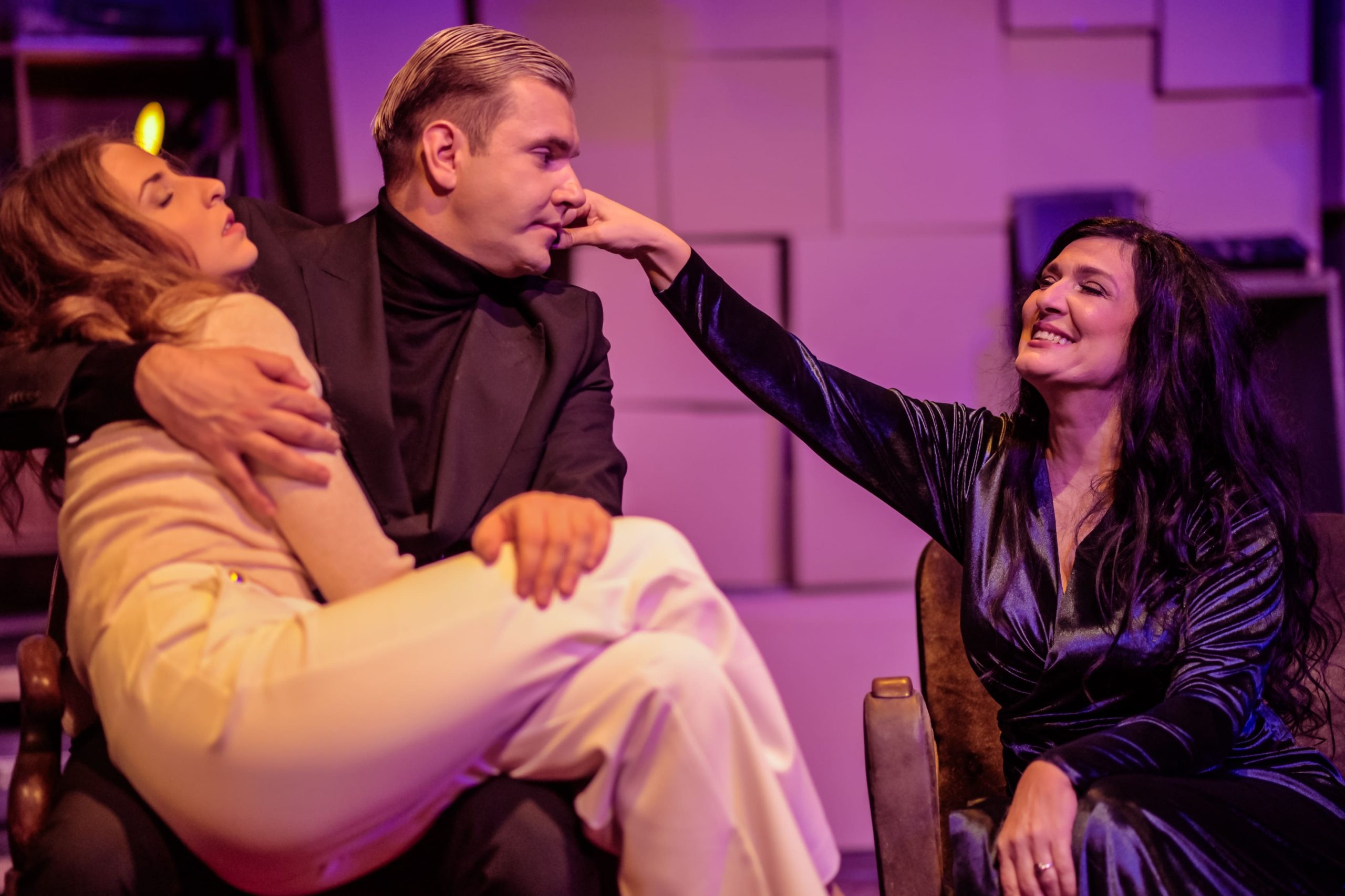
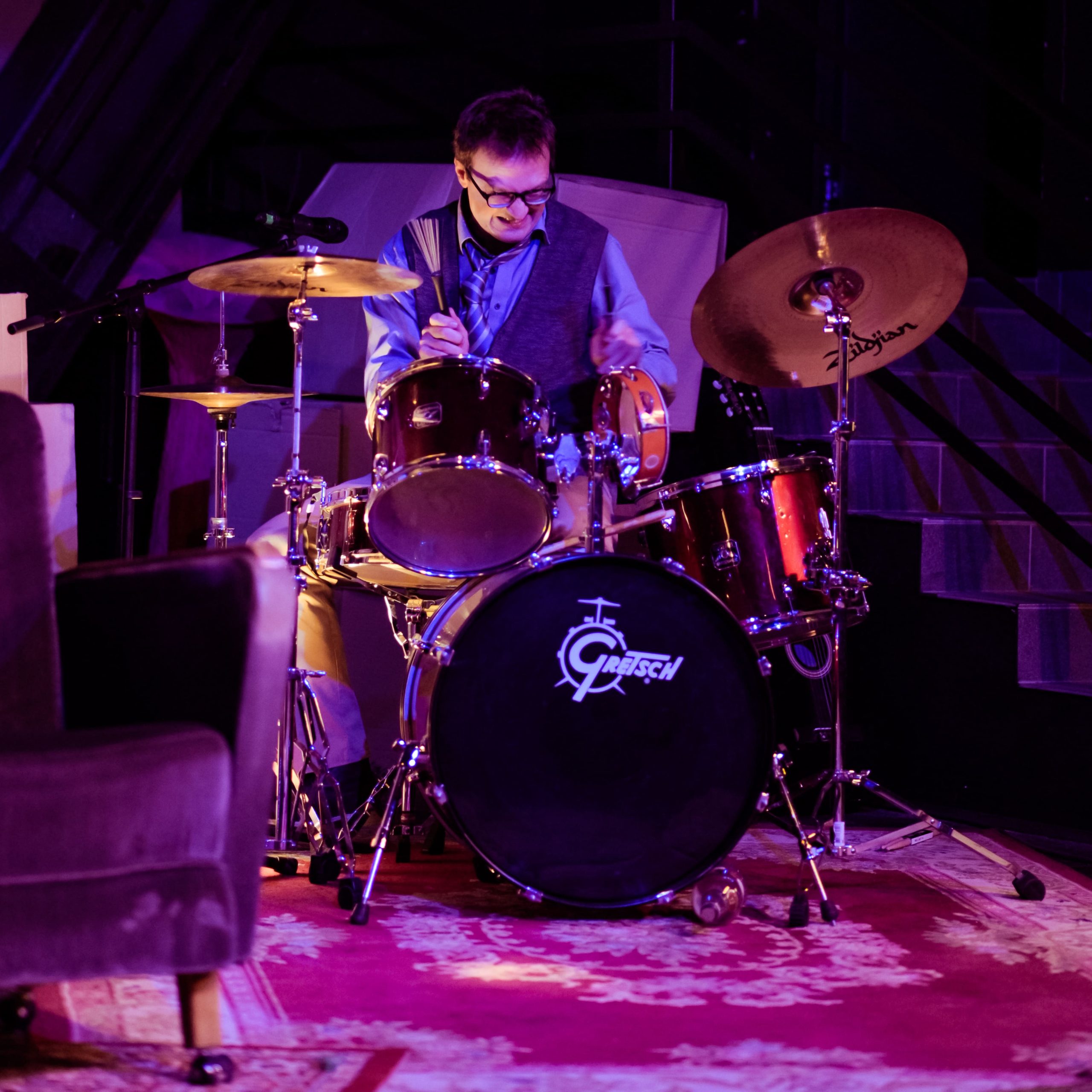
When is this performance playing?
You can find all upcoming dates on the Repertoire page.
BASIC INFORMATION
Genre
Drama
Duration
150 minutes
Age
14+
Premiere
October 10, 2024
Stage
Main Stage
CREATIVE TEAM
Text
Edward Albee
Translation
Ileana Ćosić
Direction and Set Design
Igor Pavlović
Dramaturg
Dimitrije Petrović
Composer
Nikola Dragović
Costume Designer and Assistant Set Designer
Katarina Pavlović
Language Editor
Nataša Ilić
Photography
Nikola Milosavljević
Producer
Miloš Pavlović
CAST
George
Aleksandar Krstić
Martha
Snežana Petrović
Honey
Natalija Jović
Nick
Uroš Milojević, guest artist
Jana, Prompter
Jana Savić
TECHNICAL CREW
Stage Manager
Aleksandar Stevanović
Sound Design
Slobodan Ilić
Lighting Design
Dejan Cvetković
Lighting
David Jovanović
Prompter
Jana Savić
Technical Director
Dejan Mitić
Stage Technician
Radomir Pešić
Set Builders
Srđan Kitanović, Miodrag Đorđević, Mića Lazarević, Nemanja Perić, Marin Rajić
Props Master
Dragan Nikolić
Wardrobe
Dušica Mladenović, Katarina Pavlović
Makeup and Wigs
Ljiljana Rašić, Marija Cvetanović, Ivana Lazarević
Tailoring
Marina Stevanović, Vladimir Pekić
Workshop
Goran Stanković, Dragan Perić, Branislav Nikolić
Procurement
Zoran Denčić, Ivan Todorović
Driver
Nebojša Šarčević