
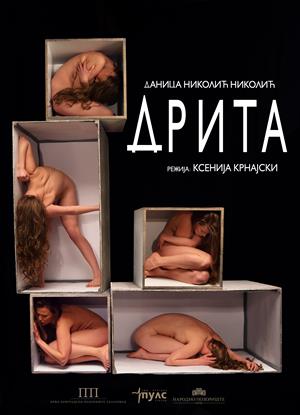
DRITA
drama
Danica Nikolić Nikolić
Drita – Albanian: light
In the winter of 1915, following the invasion of Serbia by the Central Powers, the army and population began a retreat across the snow-covered Albanian mountains toward the Adriatic coast, from where the Allies organized transport to the islands in the Ionian Sea. Along this route, the Serbian people experienced one of the greatest exoduses in their history. Around 245,000 people died from hunger, cold, and exhaustion. The situation was further aggravated by frequent attacks on refugee columns by renegade Albanian tribes. This event in Serbian history is known as the Albanian Golgotha.
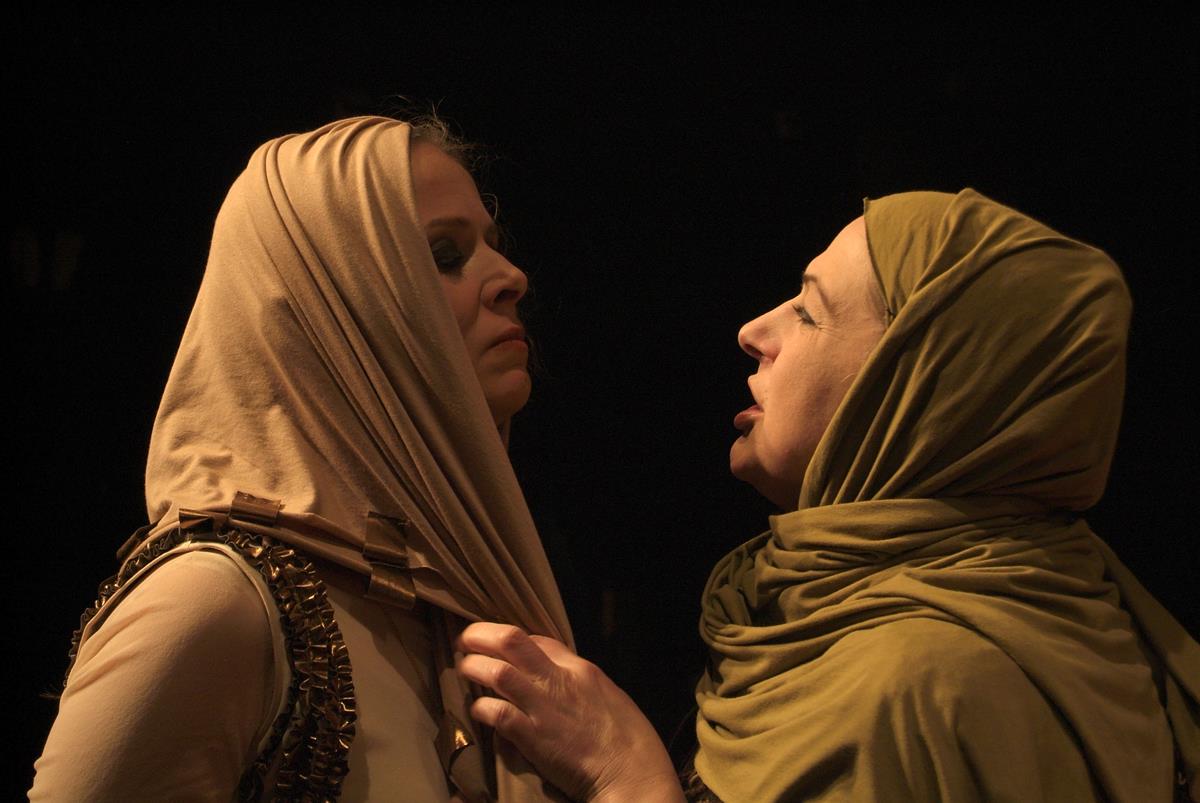
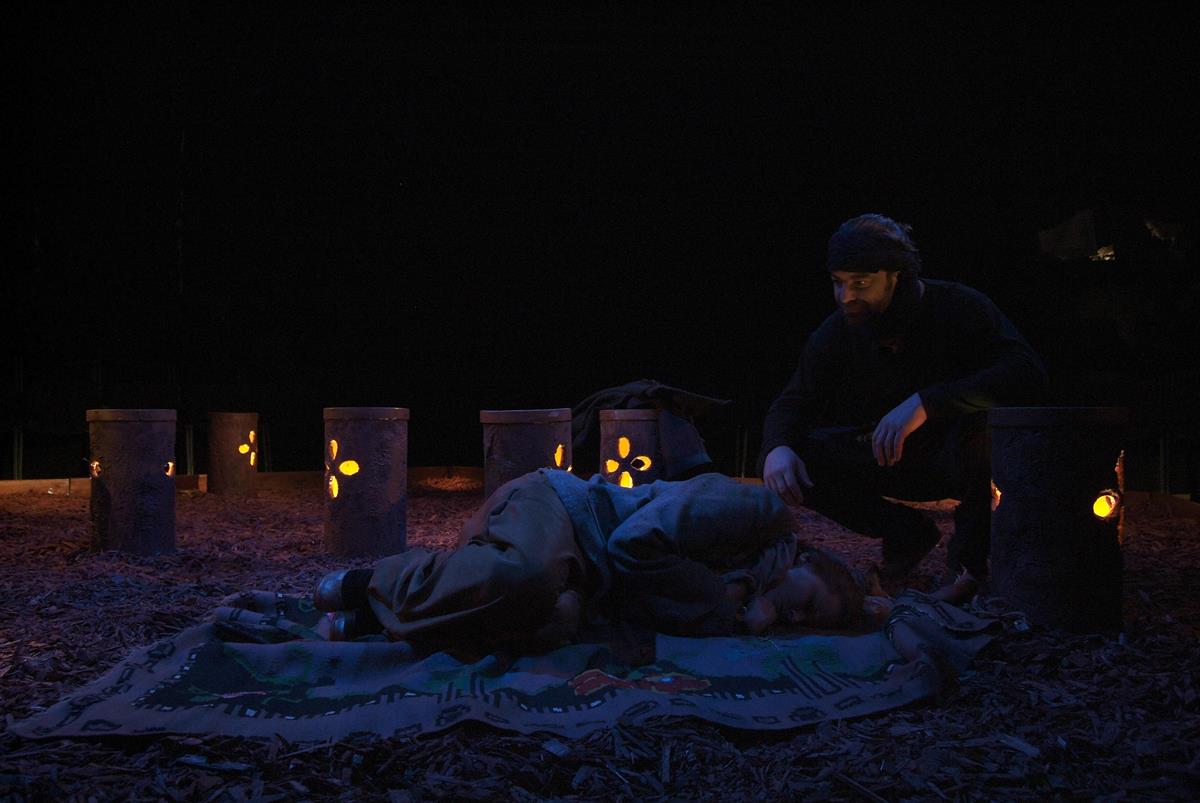
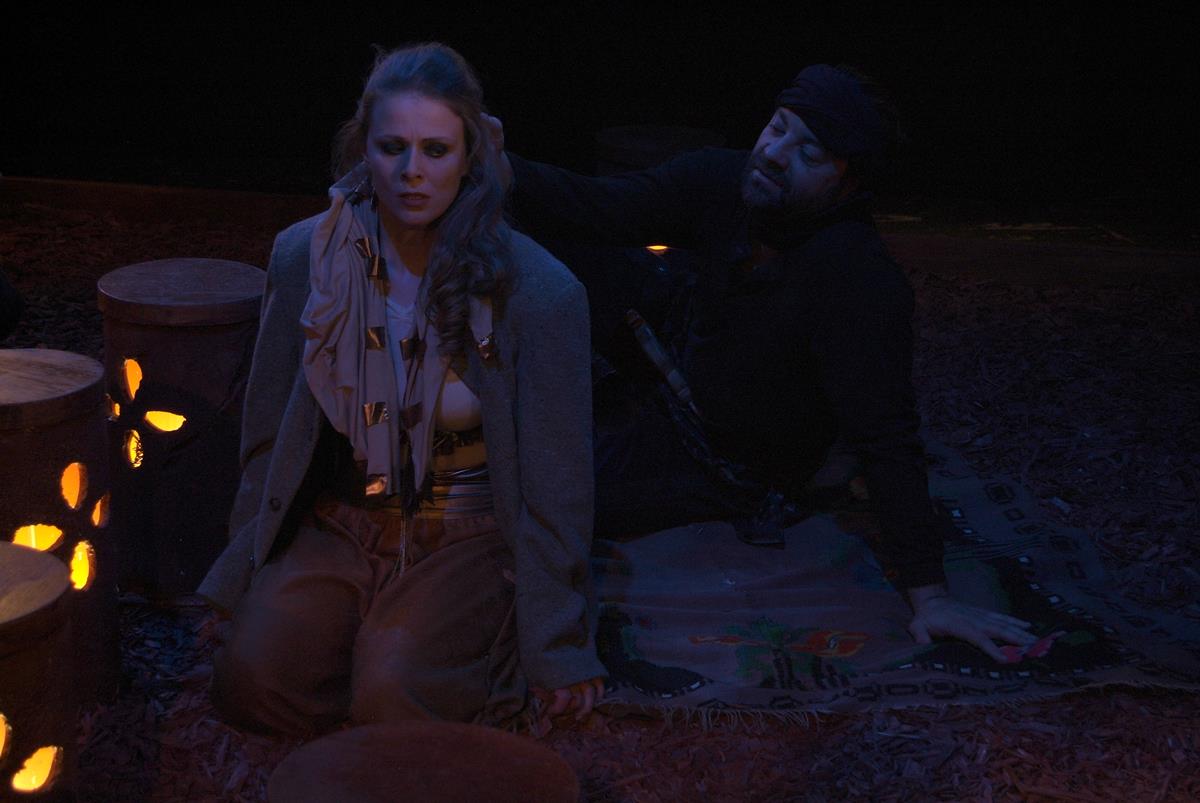
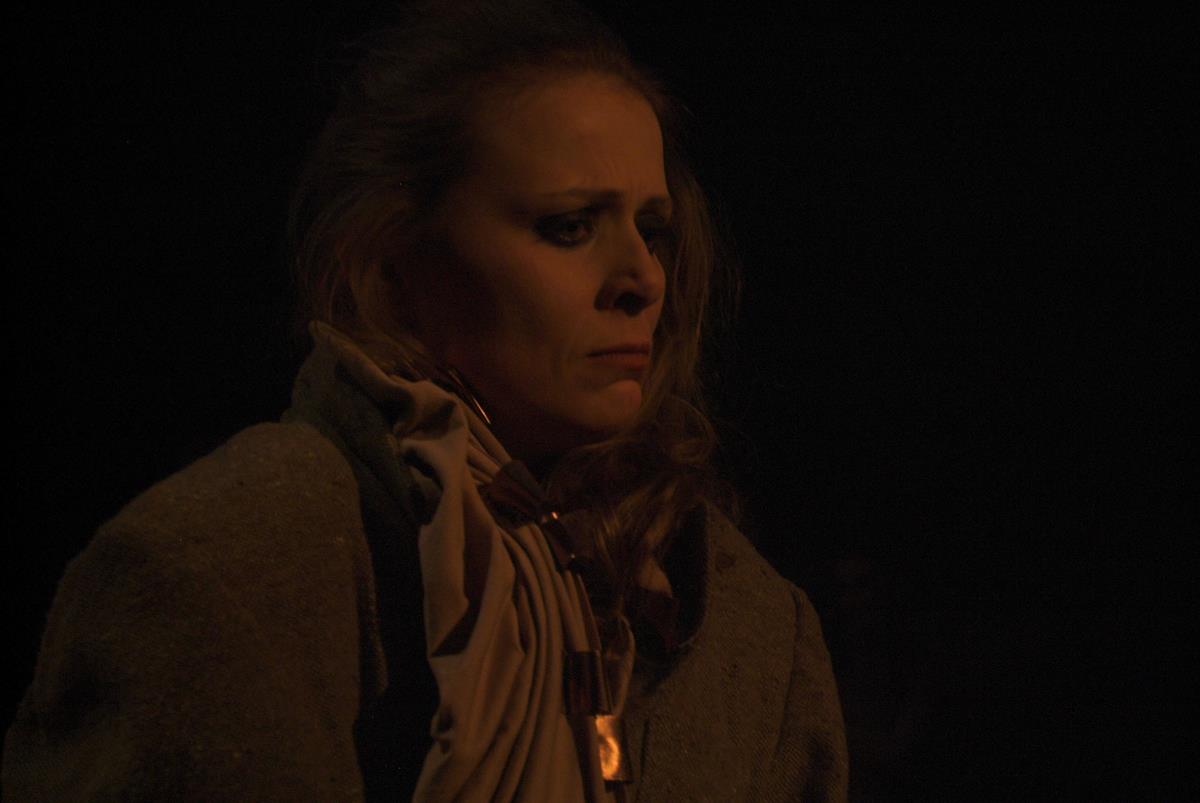
Set against this historical backdrop is the dramatic story of Ljubica, the wife of a Serbian officer, who, together with six other women, decided to sacrifice herself and go to an Albanian village as a slave in order to fulfill the ultimatum issued by the tribal leaders and enable the Serbian column to pass safely.
The play follows three years of her life in an Albanian household—three years of waiting and hoping that her husband will come for her, but also a profound awakening of her identity as a woman.
This is a love story intertwined with timeless themes of sacrifice, honor, choice, and freedom when there is no real choice, and when every choice is, in fact, a form of unfreedom.
DIRECTOR’S BIOGRAPHY
KSENIJA KRNAJSKI (1977, Novi Sad) graduated in theatre directing from the “Braća Karić” Academy of Arts, studying under Professor Nikita Milivojević and Anita Mančić.
She has been a long-term collaborator on the NADA project, which focuses on the development and promotion of contemporary dramatic writing, and from 2004 to 2008 she was a member of the editorial board of the theatre magazine Scena.
She received the Best Director Award at the FESTIĆ Children’s Theatre Festival for the production A Remedy Made from Peach Leaves at the Duško Radović Little Theatre.
Her directing credits include:
– Ghosts by Henrik Ibsen, The Miserly Man by Jovan Sterija Popović, and The Announced Murder by Agatha Christie / Svetislav Jovanov / Ksenija Krnajski, all at the Serbian National Theatre in Novi Sad.
– Shopping and Fucking by Mark Ravenhill and The Animal Kingdom by Roland Schimmelpfennig at the National Theatre in Belgrade.
– Portia Coughlan by Marina Carr, Pinocchio by Slobodan Obradović, and A Remedy Made from Peach Leaves by Zorica Kuburović / Maja Pelević at the Duško Radović Little Theatre in Belgrade.
– Under the Blue Sky by David Eldridge (National Theatre, Subotica).
– Four Little Women by Ljiljana Jokić Kaspar / Svetislav Jovanov (Toša Jovanović National Theatre, Zrenjanin).
– The Speaker’s Stand, an omnibus by Jagoš Marković (Theatre of the National Army, Sofia, Bulgaria).
– Totally Spies – Totalni Mraz by Maja Pelević (Boško Buha Theatre, Belgrade).
– All About Women by Miro Gavran (Valjevo Cultural Centre).
– Belgrade–Berlin by Maja Pelević (Zvezdara Theatre).
– Be a Lady for a Day by Maja Pelević and Language Roulette by Dara Karvil at Bitef Theatre.
Directing of public readings: Far Away by Caryl Churchill, Belgrade–Berlin by Maja Pelević, and Romania 21 by Ștefan Peca, all at the National Theatre in Belgrade.
Opera: The Last Sirene by Ian Wilson (Cork, Ireland).
DIRECTOR’S NOTE
You will not see a war story. At least, not the kind you expect. Nor will you experience a patriotic catharsis; there are other places for that, and other people.
This is a story about the pursuit of freedom—not military, geographical, or political freedom, but personal freedom. And it is told from the perspective of a woman to whom, at the beginning of the 20th century, freedom was not passed down as an embroidered quilt.
While working on this production, we once again confronted, on a deeply intimate level, the fact that very little has changed to this day. Every war ultimately comes down to an ancient tragedy, in which someone sacrifices themselves for a “higher cause,” while someone else becomes collateral damage in pursuit of other people’s lofty or personal goals. In every war, there are some sad “little” people who live and die, people who, as in Chekhov, love someone who does not love them, or who are too modest—or too extravagant—in the way they respond to their own feelings.
Serbs and Albanians are the protagonists of this story, but only symbolically. They could just as well be cowboys and Indians, Achaeans and Trojans, Israelis and Palestinians… Heroes and antiheroes have the same desires and the same problems; only the paths they take toward their goals are different.
If we view the protagonist as a metaphor for the land—the land that bears fruit, but also the land that wages war and often loses its identity amid political turmoil—this melodrama unfolds as an allegory of the Great War, of the great suffering of the individual, but also of a people who, throughout history, have too often been sacrificed for paper-thin ideas steeped in selfishness and menace.
Ksenija Krnajski
When is this performance playing?
You can find all upcoming dates on the Repertoire page.
BASIC INFORMATION
Genre
Drama
Age
14+
Premiere
March 11, 2015
Stage
Main Stage
CREATIVE TEAM
Playwright
Danica Nikolić Nikolić
Director
Ksenija Krnajski
Dramaturg and Language Editor
Nataša Ilić
Set Designer
Dejan Pantelić
Costume Designer
Sanja Kotorčević
Composer
Vladimir Petričević
Stage Movement
Maja Milanović
Lighting Designer
Radomir Stamenković
CAST
Drita/Ljubica
Ana Jovanović
Besim
Aleksandar Marinković
Besarta
Jasminka Hodžić
Kreshnik
Pero Bjeković
Stevan
Aleksandar Trmčić
Dara/Zana
Jelena Cvijetić
Smilja
Ivana Nedeljković
TECHNICAL TEAM
Artistic Department Coordinators
Slađana Kalik, Maja Sofronijević, Daniela Todorović
Producer
Ivan Vuković
Executive Producer
Ivana Nedeljković
Project Technical Director
Zlatan Stoiljković
Head of Technical Department
Zoran Ilić
Stage Managers
Maja Sofronijević, Sreten Cvetković
Prompters
Ozren Mitić, Maja Sofronijević
Sound Technician
Hristo Zarkov
Lighting
Duško Korlat
Stage Manager
Slaviša Filipović
Wardrobe
Dušica Mladenović, Marko Dinić, Nevena Lazarević
Make-up and Wig Artists
Ljiljana Rašić, Marija Pešić, Nevena Lazarević
Props
Dragan Nikolić, Marko Paulus, Nevena Lazarević
Set Construction and Decoration
Srđan Kitanović, Radovan Živković, Miodrag Đorđević, Marin Rajić, Ivan Ranković